







Create shipment / Create shipment
Types of shipments
At Envia.com, you can ship anything from an envelope of documents to a pallet of industrial goods. Choosing the right shipping type is important: it affects the available carriers, the cost estimate, and the information you need to enter.
| Type | Ideal for | How to Get Paid |
|---|---|---|
| Envelopes / Boxes / Packages | Documents, products, and items of any medium size | By actual or volumetric weight |
| Platform (LTL) | Palletized cargo that does not fill a truck | Per cubic meter or by weight |
| Truck (FTL) | Large loads that require a full truckload | For a quote, visit cargo.envia.com |
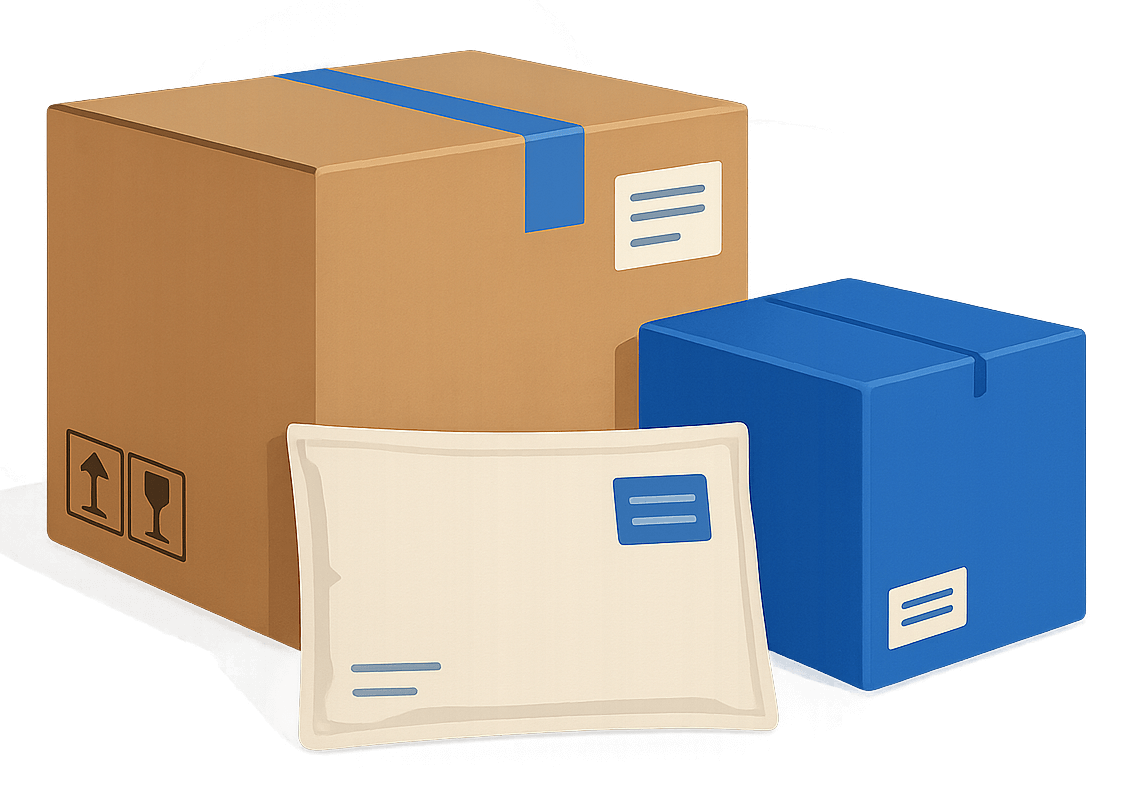
Envelopes / Boxes / Packages
Ideal for small to medium sized shipments. You can send anything from an envelope of documents to boxes of products.
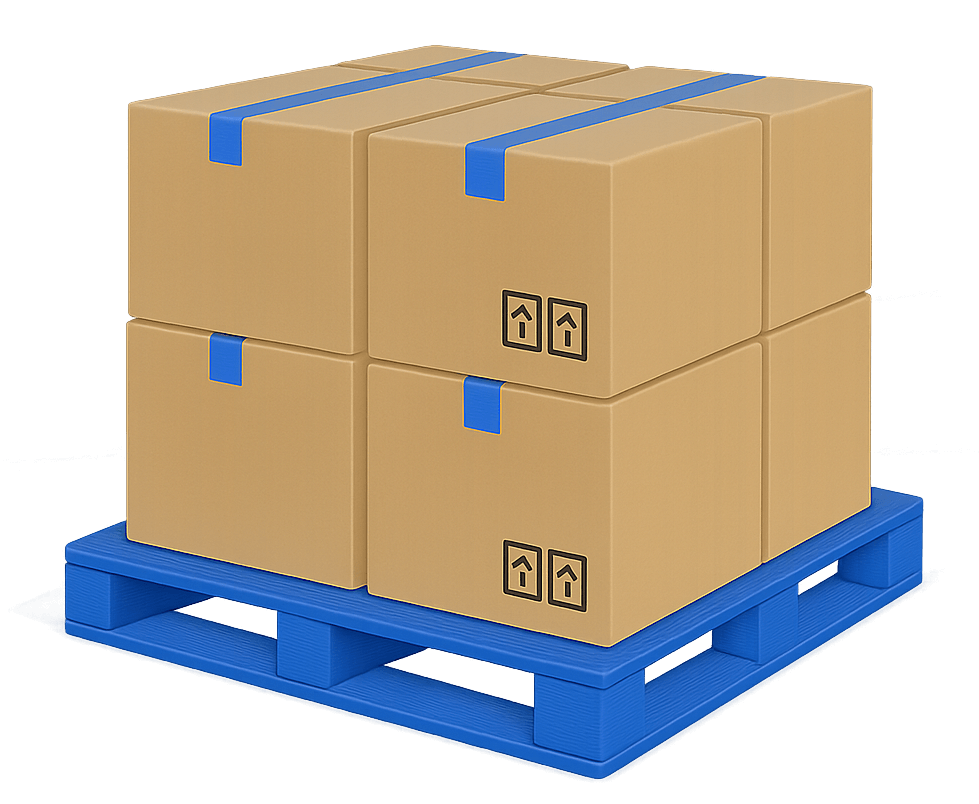
Pallet – Less-than-truckload (LTL)
LTL (Less Than Truckload) is the option for palletized goods that do not fill an entire truck. You share the shipping space with other shipments, which reduces the cost.
Use it when you send:
- Cargo that requires pallets for handling and transport
- Industrial goods, household appliances, furniture, or other bulky items
Maximum dimensions
Double decking: 240 cm (length) x 120 cm (width) x 160 cm (height)
Standard pallet: 100 cm (length) x 120 cm (width) x 160 cm (height)
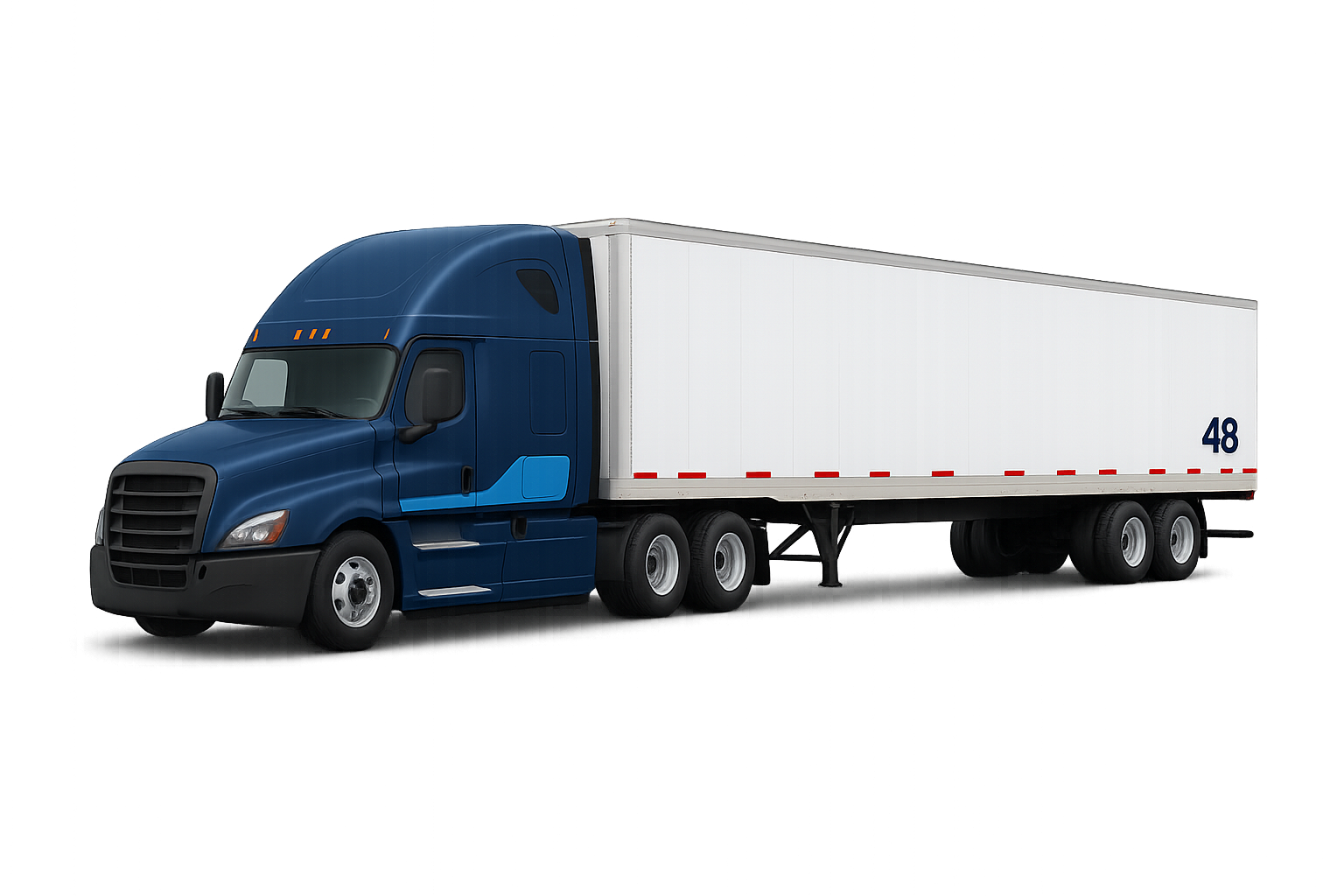
Full load (FTL)
FTL (Full Truckload) is for shipments that take up an entire truck. It is ideal for large volumes or deliveries that require greater control and security.
Use it when:
- Your cargo fills a truck or is almost enough to fill one
- You need a dedicated drive without sharing space
- The volume or value of the cargo justifies the cost of a full truckload
How to Select a Shipping Method
When creating a guide in Create Shipment > Create Waybill, you'll see the section Shipping type using the four tabs available. Select the one that corresponds to your shipment before entering the dimensions and getting a quote.
ℹ️ If you select the wrong type, the quote results and required information will change. Always verify the type before continuing.

Did you find this resource useful?