

Packaging guide
Packaging is the process of wrapping and securing your products for shipment. Proper packaging helps your items arrive in good condition and reduces damage in transit. This guide gives you the tools and knowledge you need to pack safely and efficiently.
Articles
Section titled “Articles”Check weight and dimensions
Section titled “Check weight and dimensions”
Avoid surprises by checking the weight and dimensions of your package. This helps you meet shipping requirements and calculate shipping costs accurately, so you do not get unexpected extra fees.
More information: See how to avoid overweights.
Choose the packaging
Section titled “Choose the packaging”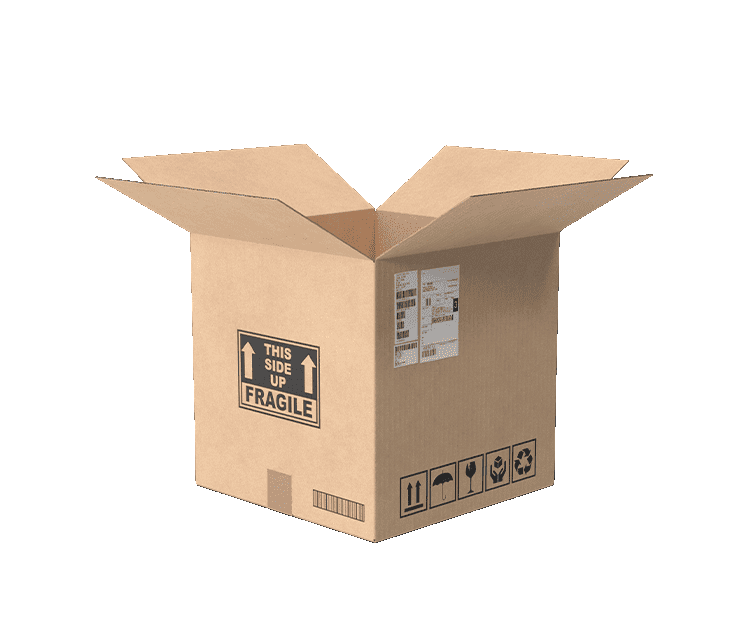
Choosing the right packaging is essential. It must be strong enough to protect your items during shipping and fit their size without empty space that lets them move. Good packaging is the first line of defense against damage in transit.
More information: Learn more about choosing the right packaging.
Protect the contents
Section titled “Protect the contents”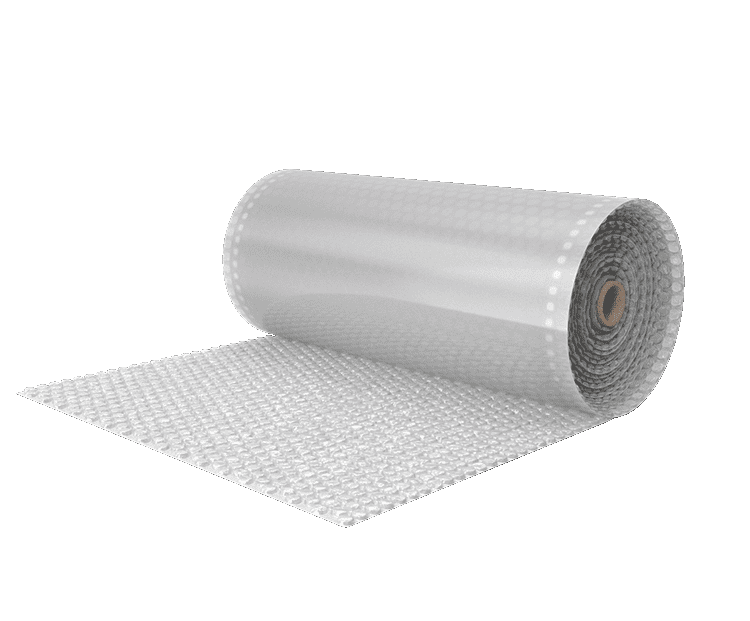
Use protective materials such as bubble wrap, kraft paper, or foam to wrap your items. This cushions them from shocks and vibration and helps you avoid damage that can be costly and harm your reputation.
More information: See inner and outer packing materials
Fill gaps and empty space
Section titled “Fill gaps and empty space”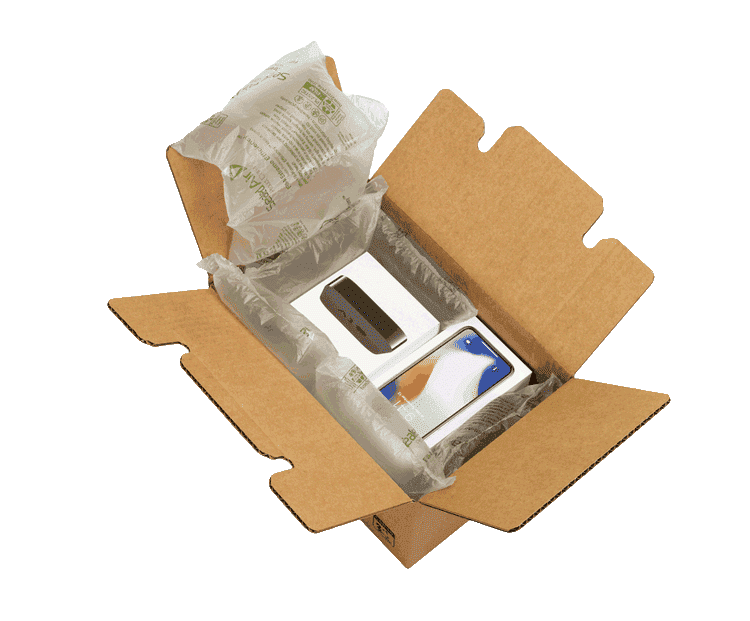
Do not let your items slide around in the box. Use filler such as crumpled paper, foam, or packing chips to fill empty space. This keeps products from moving during transit and lowers the risk of damage.
More information: Learn about effective filler options.
Seal it securely
Section titled “Seal it securely”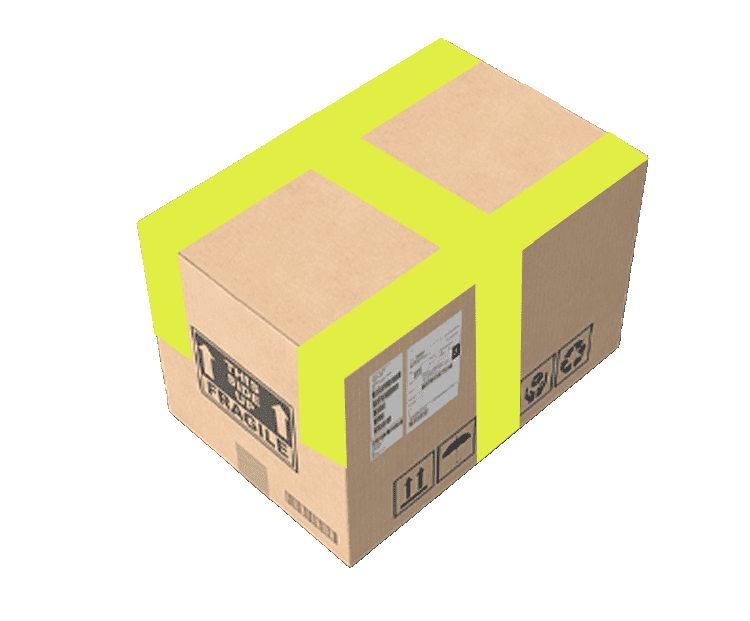
Make sure your package is sealed securely. Use strong packing tape to close every opening on the box so it does not open in transit. A good seal also helps keep out moisture and contaminants.
More information: See the best sealing techniques.
Place the label
Section titled “Place the label”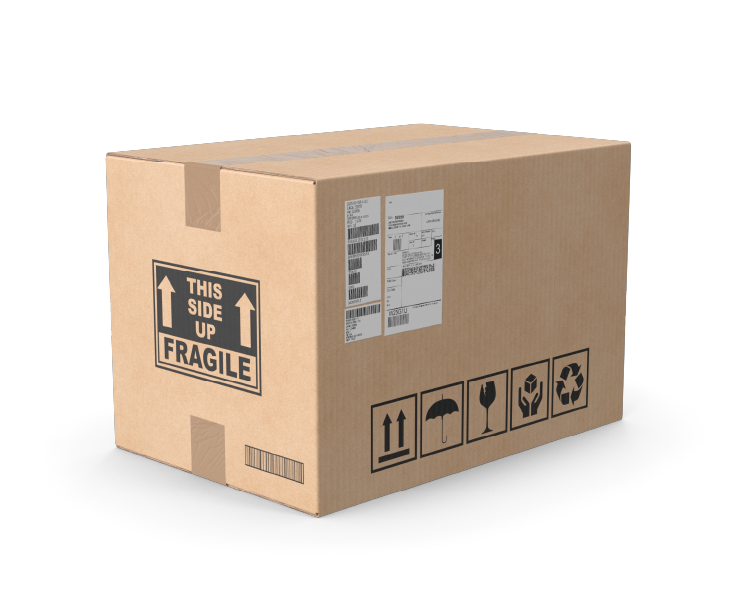
The label is how your package is identified. It must be clear and readable, with the recipient address and any special instructions. Place the label where it is easy to see so the package is handled correctly and arrives without issues.
More information: Review our recommendations for placing your label.
Add special labels
Section titled “Add special labels”
Fragile items need special handling. Place “Fragile” labels on packages that contain these items so handlers know to take extra care during transport.
More information: See the right symbols for your packages.