

Dimensions and weight
To create a shipment, you need to calculate the weight and dimensions of your package correctly. That way you can anticipate costs and avoid surprises. Below we explain in simple terms how costs are calculated based on actual weight and dimensional weight.
Types of weight
Section titled “Types of weight”Actual weight
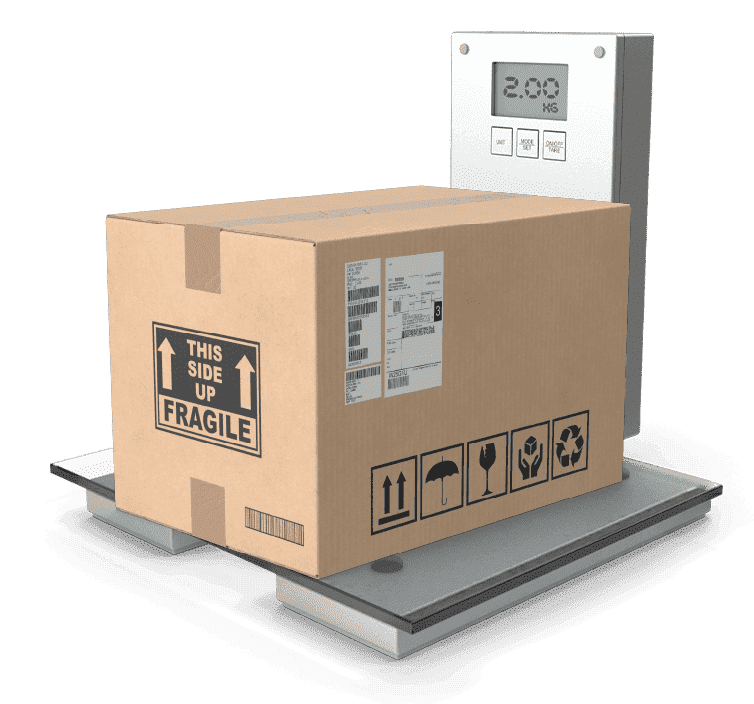
Section titled “Actual weight”This is the weight of your package on the scale.
- Example
If you place a box on the scale and it weighs 2 kg (4.4 lb), that is the actual weight of your package.
Dimensional weight
Section titled “Dimensional weight”Dimensional weight represents the space the package occupies. It is calculated with a formula based on the package dimensions:
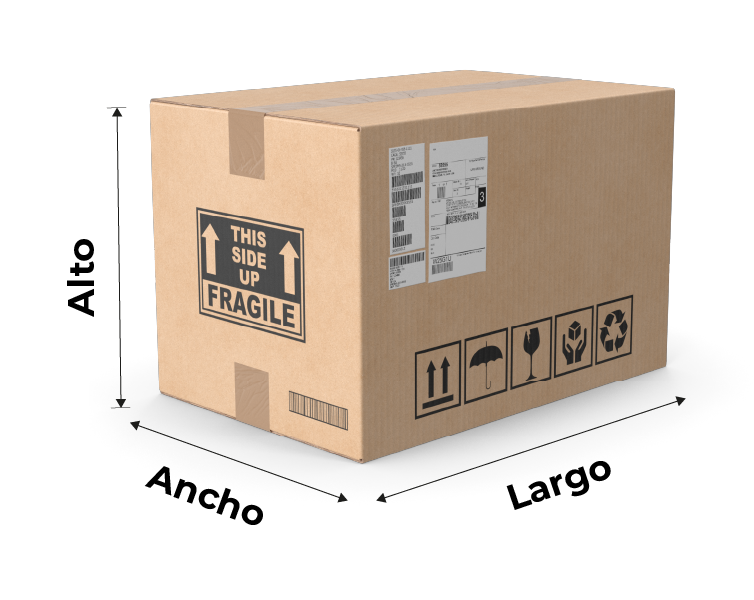
Each carrier sets its own factor, and it can vary by service. The most common is 5000. See the factor for your carrier.
- Example
40 cm x 40 cm x 16 cm ÷ 5000 = 5.12 kg
Check weight and size limits
Section titled “Check weight and size limits”It is essential that the actual and dimensional weight of your package do not exceed the carrier’s limits. Otherwise, you may face additional charges.
Maximum dimensions and weight vary by carrier, but here is a typical standard:
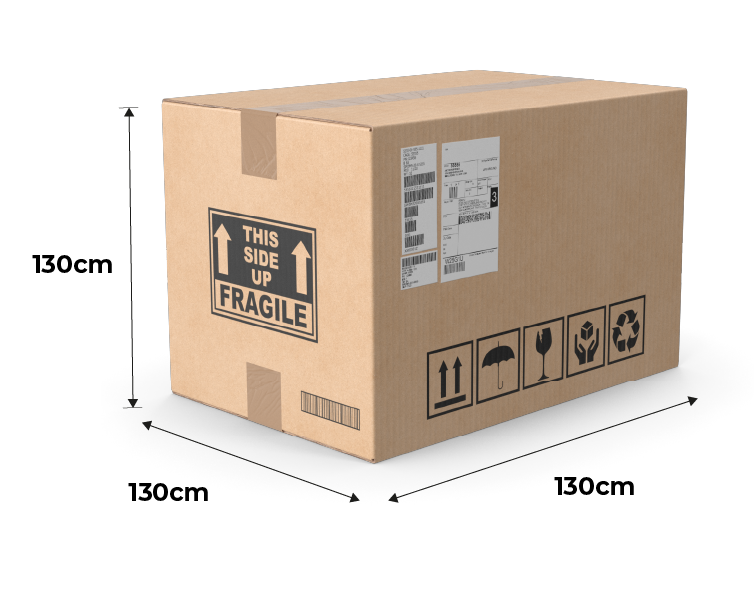
Maximum dimensions: 130 cm x 130 cm x 130 cm
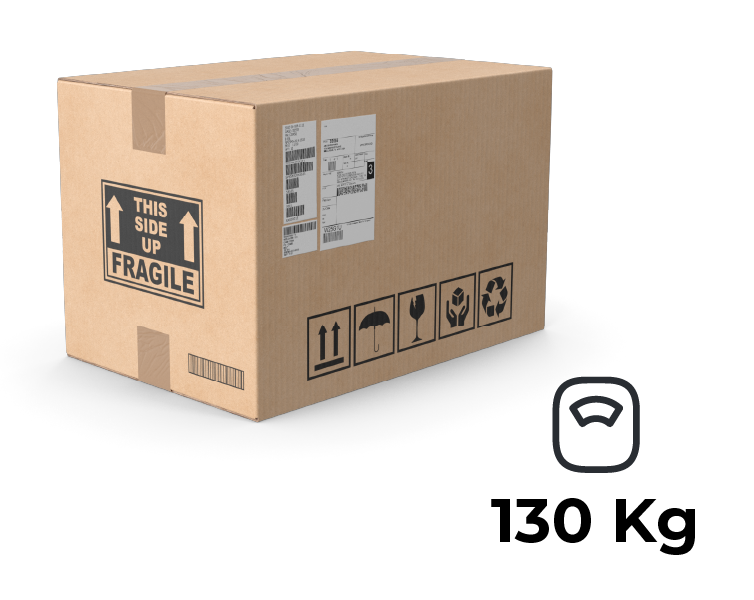
Maximum weight: 130 kg
Tips to avoid overweights
Section titled “Tips to avoid overweights”- Choose the right packaging: Use boxes that fit the product size to reduce dimensional weight. Read more.
- Check the carrier’s limits: Make sure you know the maximum weight and dimensions before you ship. Read more.
- Calculate both weights: Always measure and calculate both actual weight and dimensional weight so you know which one will affect the cost.